
EV KNOWLEDGE / 01
EV, hybrid or plug-in hybrid?
Understand the difference before comparing vehicles.
Read the guide ↗ZENIRA LEARNING HUB / EV KNOWLEDGE
Understand electric vehicles, charging and the energy systems behind them. Practical knowledge for your next conversation.
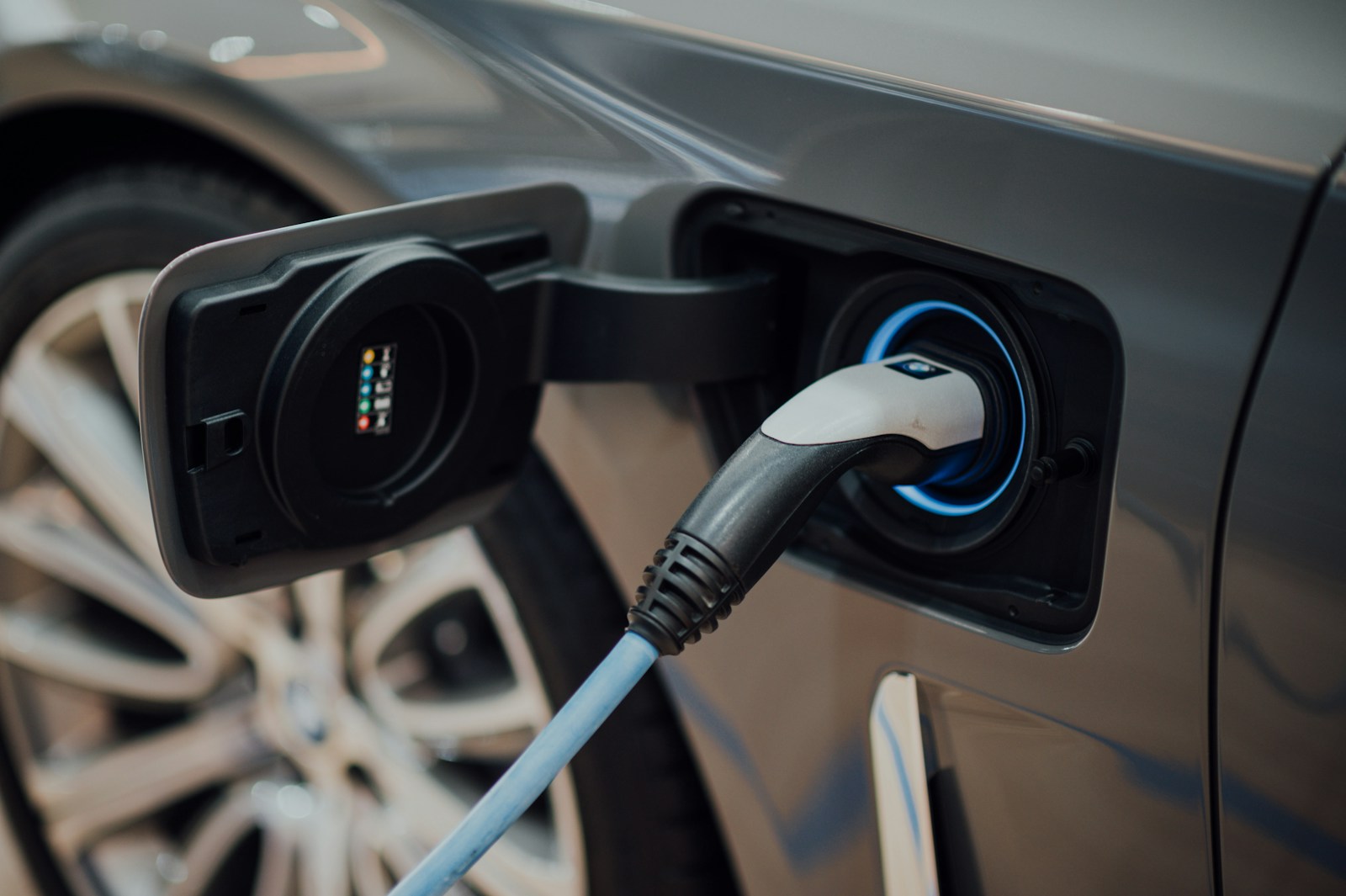
START WITH UNDERSTANDING
EV KNOWLEDGE / 01
Understand the difference before comparing vehicles.
Read the guide ↗EV KNOWLEDGE / 02
Why the charger’s headline rating is not the whole story.
Read the guide ↗EV KNOWLEDGE / 03
Use a simple estimate, then understand its limits.
Read the guide ↗EV KNOWLEDGE / 04
Treat charging as part of the complete energy requirement.
Read the guide ↗TRY IT YOURSELF
Change the numbers to explore how energy and power affect a simplified estimate.

THE WHOLE ENERGY PICTURE
Think about your building’s existing loads, available supply and when you can charge. Solar and battery storage add more choices, but the equipment must be considered together.
Explore EV and solar planning ↗These introductory guides draw on official energy resources. Vehicle specifications and electrical requirements vary by country and model. Confirm the exact vehicle and have your site assessed before selecting charging equipment.
Bring your questions to Zenira ↗